
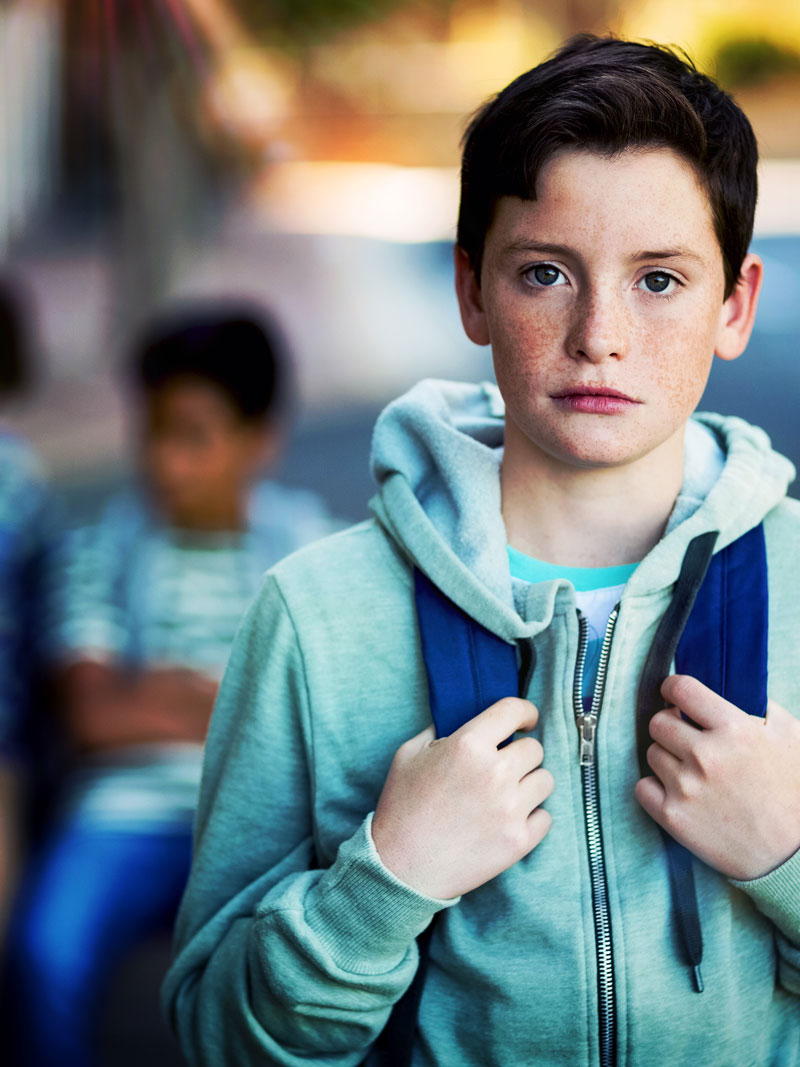
Moving from elementary school to middle school isn’t just a change of grade level. It’s a real developmental leap, and for a lot of kids, it kicks off something specific: transition anxiety.
At Launch Psychological Associates, this is a season we spend a lot of time on with families. The academic adjustment matters, but what tends to make or break the transition is more social and emotional than anything else. Below is a look at what’s actually going on for your child during this shift, and what you can do to help.
What’s Really Happening Developmentally
Before getting into strategies, it helps to know what you’re dealing with.
Transition anxiety is a kind of situational stress brought on by big changes to environment, routine, and social structure. In middle schoolers it often shows up as stomachaches, short tempers, or a sudden urge to stay close to mom or dad.
There’s also social evaluation to contend with, that heightened radar for how others are seeing you. Early adolescent brains become far more tuned in to status and belonging than they were even a year earlier.
And then there’s executive functioning: working memory, flexible thinking, self-control. Middle school asks a lot more of these skills than elementary school did, mostly because kids are suddenly juggling several teachers and classrooms instead of one.
On top of all that sits what’s sometimes called the “hidden curriculum” , the unwritten social rules nobody actually teaches. Where do you sit at lunch? How do you move through a crowded hallway without it becoming a whole thing? What are the unspoken norms around texting and group chats? Nobody hands kids a manual for this stuff, which is part of why it’s so stressful.
Signs Your Child Might Be Struggling
Anxiety in this age group doesn’t always look like worry on the surface. Sometimes it looks like an attitude problem, or a stomachache that only shows up on school mornings. The National Institute of Mental Health points to a few things worth watching for:
- Physical symptoms like headaches or nausea, especially on Sunday nights or Monday mornings
- Avoiding things such as skipping orientations, backing out of tryouts, dodging social events
- Trouble sleeping, often tied to rumination, where the same worried thought loops over and over
This is also the age when kids start comparing their own messy insides to everyone else’s polished outside. It can feel like everyone else got a manual for being cool and they didn’t. The American Psychological Association notes that this kind of comparison can chip away at self-esteem if it isn’t talked about openly at home.
Three Ways to Build Social Readiness
Practice low-stakes social initiation. Like any skill, starting a conversation with someone new gets easier with reps. Over the summer, let your child be the one to check in at appointments or ask a librarian a question. Small moments like these build the confidence that eventually makes it possible to walk up and ask, “Is anyone sitting here?”
Prepare for relational aggression. Middle school tends to bring more of this kind of bullying — the exclusion, the rumors, the quiet freeze-out. It helps to role-play “exit phrases” ahead of time. If your child sees someone being unkind to another kid, a neutral line like “That’s not really my business, I’m going to go grab a snack” lets them step away without becoming a target themselves.
Get ahead of the digital side of things. For a lot of kids, middle school is when social life migrates to a phone. Setting clear boundaries around social media early on matters, and it’s worth talking through how text lacks tone, which is a big reason small misunderstandings can spiral into something bigger than they need to be.
When It’s Time to Bring In Extra Support
Some nerves around a big change are completely normal. At Launch Psychological Associates, we lean on Cognitive Behavioral Therapy to help kids spot the “what-if” thinking that tends to drive anxiety. We also work with families to build what’s sometimes called a bravery ladder: a gradual, structured way of facing school-related stress that builds real mastery instead of just pushing through overwhelm.
If your child’s anxiety is getting in the way of sleep, eating, or the things they used to enjoy, reaching out to a licensed clinician is a reasonable next step, not a last resort. Your child is about to go through a lot of change, and the best thing you can give them is a secure base, a home where it’s okay to be imperfect. Helping them feel socially ready isn’t just about surviving middle school. It’s part of how they learn to move through the world with resilience.
