
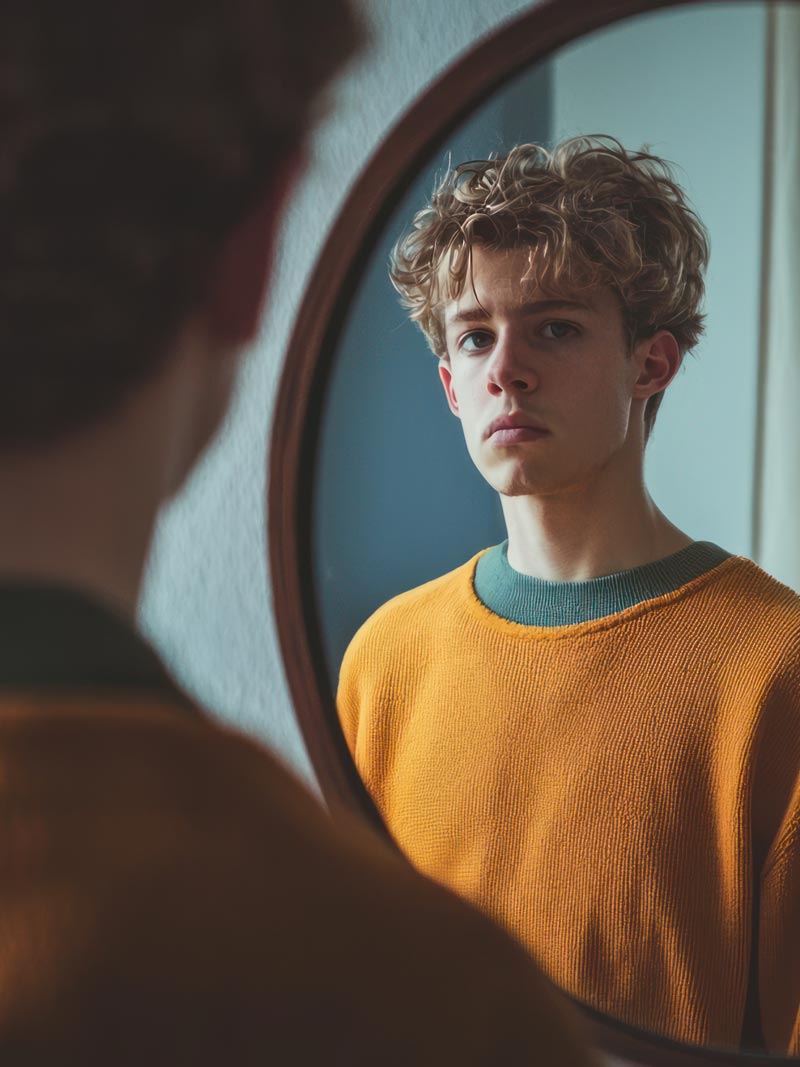
If you’ve overheard your teenager talking about “mewing,” “canthal tilts,” or “mogging,” you might feel like they are speaking a different language. In reality, they are participating in a rapidly growing digital subculture known as looksmaxxing.
At Launch Psychological Associates, we specialize in guiding adolescents and young adults through the complex emotional ups and downs of development. Recently, we have seen an increase in parents concerned about their children’s obsessive focus on physical perfection. Understanding this trend is the first step in determining whether your teen’s new grooming routine is a harmless hobby or a sign of deeper psychological distress.
What is Looksmaxxing? Defining the Trend
Looksmaxxing is the practice of attempting to “maximize” one’s physical attractiveness through various techniques, ranging from basic hygiene to extreme surgical interventions. While the term originated in niche online communities, it has exploded on platforms like TikTok and Instagram, specifically targeting adolescent boys.
To help you navigate these conversations, here are the key terms you need to know:
- Softmaxxing: These are accessible, non-invasive methods of self-improvement. Examples include starting a skincare routine, hitting the gym, getting a stylish haircut, or improving posture.
- Hardmaxxing: This involves more extreme, often dangerous, or permanent measures. This can include plastic surgery, “starvemaxxing” (extreme calorie restriction), or “roidmaxxing” (the use of anabolic steroids).
- Mewing: A popular technique involving specific tongue placement against the roof of the mouth, believed (with little scientific evidence) to reshape the jawline.
- Hunter Eyes vs. Prey Eyes: A fixation on eye shape. “Hunter eyes” (almond-shaped, hooded) are idealized as masculine and dominant, while “prey eyes” (round, exposed eyelids) are viewed as a “flaw” to be corrected.
- Mogging: Derived from “AMOG” (Alpha Male of Group), this refers to one person physically outshining another to assert social dominance.
The Psychological Shift: Self-Improvement or Self-Obsession?
Adolescence is a natural period of self-discovery and heightened body awareness. However, the “blackpill” ideology: a nihilistic worldview often associated with looksmaxxing, suggests that a person’s entire worth and future success are dictated solely by their genetic “attractiveness score.”
This shift from healthy self-care to obsessive “optimization” can lead to significant mental health challenges. Research shared by the National Institutes of Health (NIH) indicates that excessive focus on perceived physical flaws is a primary driver of Body Dysmorphic Disorder (BDD).
Clinical Insight: At Launch, we view looksmaxxing not just as a trend, but as a potential coping mechanism. When teens feel they cannot control their academic stress or social standing, they may turn to “optimizing” their face or body as something they can control.
Recognizing the Signs of Body Dysmorphia in Teens
While many teens experiment with fashion and fitness, it is important to look for signs that looksmaxxing has crossed into a clinical concern. According to the American Psychological Association (APA), parents should monitor for symptoms of body image distress, including:
- Compulsive Mirror Checking: Spending hours analyzing specific features (the jaw, the nose, the “tilt” of the eyes).
- Social Withdrawal: Avoiding school or social events because they feel “ugly” or “sub-par.”
- Seeking Constant Reassurance: Asking “Do I look okay?” repeatedly, yet never believing the positive answer.
Extreme Dieting or Exercise: Fixating on “muscle dysmorphia,” where a teen believes they are too small or weak despite being physically fit.
How to Support Your Teen: A Guide for Parents
If you notice your teen becoming preoccupied with these trends, your approach can make all the difference. Our goal at Launch is to help families build strong relationships and coping strategies to manage these modern pressures.
1. Focus on “Contents” Over “Containers”
As noted by experts at UNICEF, it is vital to redirect focus toward a teen’s internal qualities. Compliment their persistence, their kindness, or their sense of humor rather than their gains at the gym.
2. Encourage Media Literacy
Help your teen understand that the “perfect” faces they see on TikTok are often the result of lighting, filters, and specific camera angles. The Mayo Clinic suggests limiting social media access or at least discussing the unrealistic ideals these platforms promote.
3. Model Healthy Self-Acceptance
Your children are watching how you treat your own body. Avoid making self-deprecating comments about your weight or aging. Instead, model a balanced relationship with health, exercising for energy and strength rather than just aesthetics.
When to Seek Professional Help
Looksmaxxing can be a gateway to serious conditions like eating disorders, exercise addiction, or depression. If your teen’s preoccupation with their appearance is interfering with their ability to enjoy life, it may be time to consult a professional.
At Launch Psychological Associates, we provide evidence-based treatments such as Cognitive Behavioral Therapy (CBT) to help adolescents reframe negative thought patterns and build authentic self-esteem. You don’t have to navigate these digital-age challenges alone.
– Emily McDonough, LICSW
